
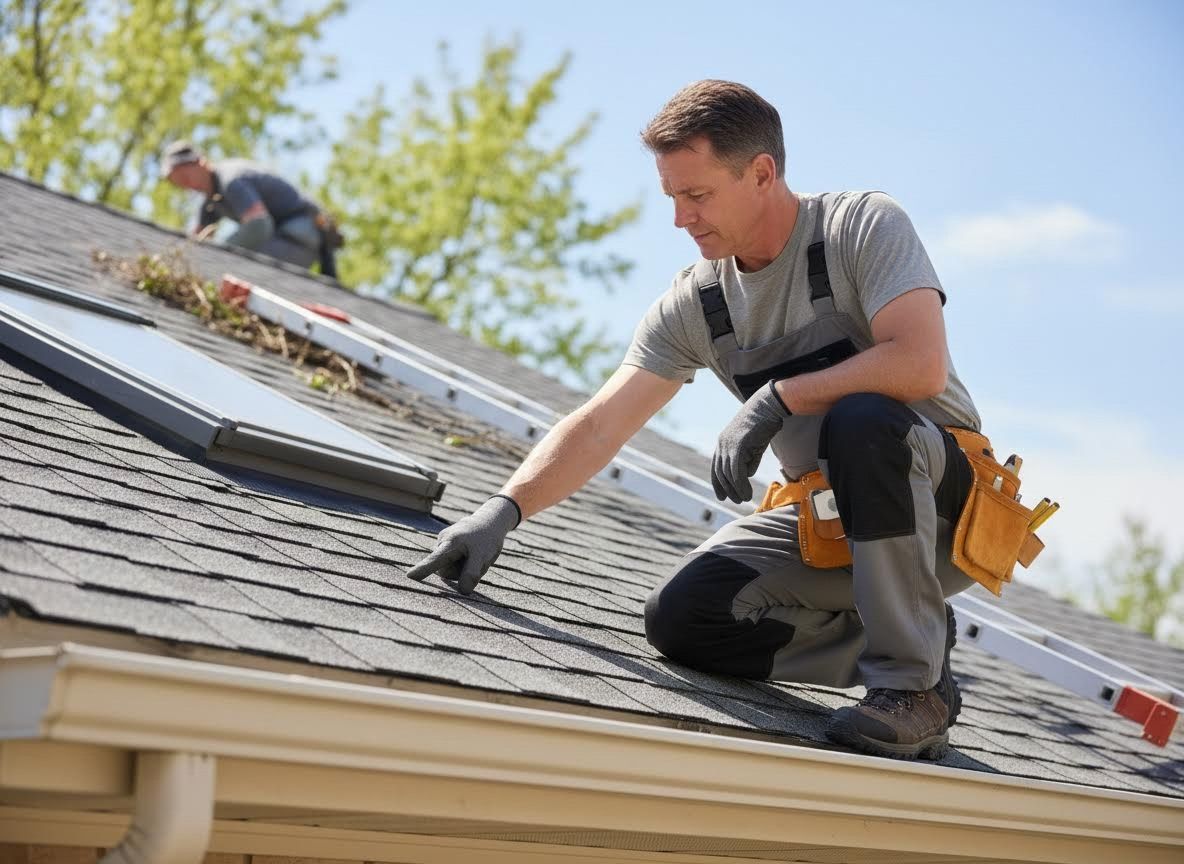
As winter recedes and spring arrives, it's the perfect time to assess any potential damage your home's roof might have sustained during the colder months. A thorough spring roof inspection is crucial for maintaining the integrity and longevity of your greatest asset, protecting your property from unexpected leaks and costly repairs. Dunrite Construction, Mahopac’s premier residential contractor, understands the importance of proactive home maintenance to ensure your property remains beautiful, functional, and durable for years to come. This checklist will guide you through the key areas to examine.
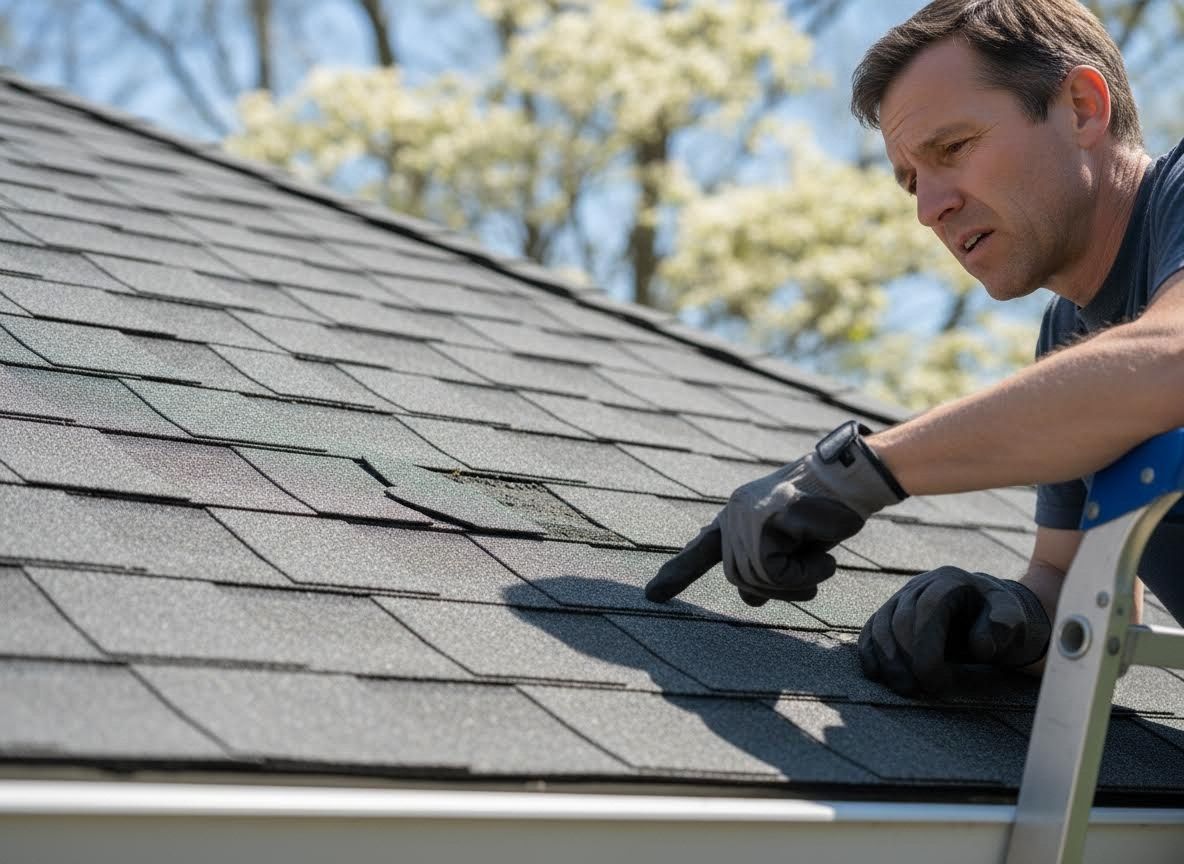
Inspecting Shingles for Wear and Tear
The primary protective layer of your roof is the shingles, and they bear the brunt of harsh weather. During your spring roof inspection, carefully look for any shingles that appear cracked, curled, buckled, or missing entirely. High winds can lift and tear shingles, while extreme temperature fluctuations can cause them to crack or become brittle. Additionally, observe if there are areas with excessive granule loss, which often indicates advanced wear and reduces the shingle's ability to protect against UV rays and moisture. Addressing these issues promptly can prevent water penetration and extend the life of your roof.
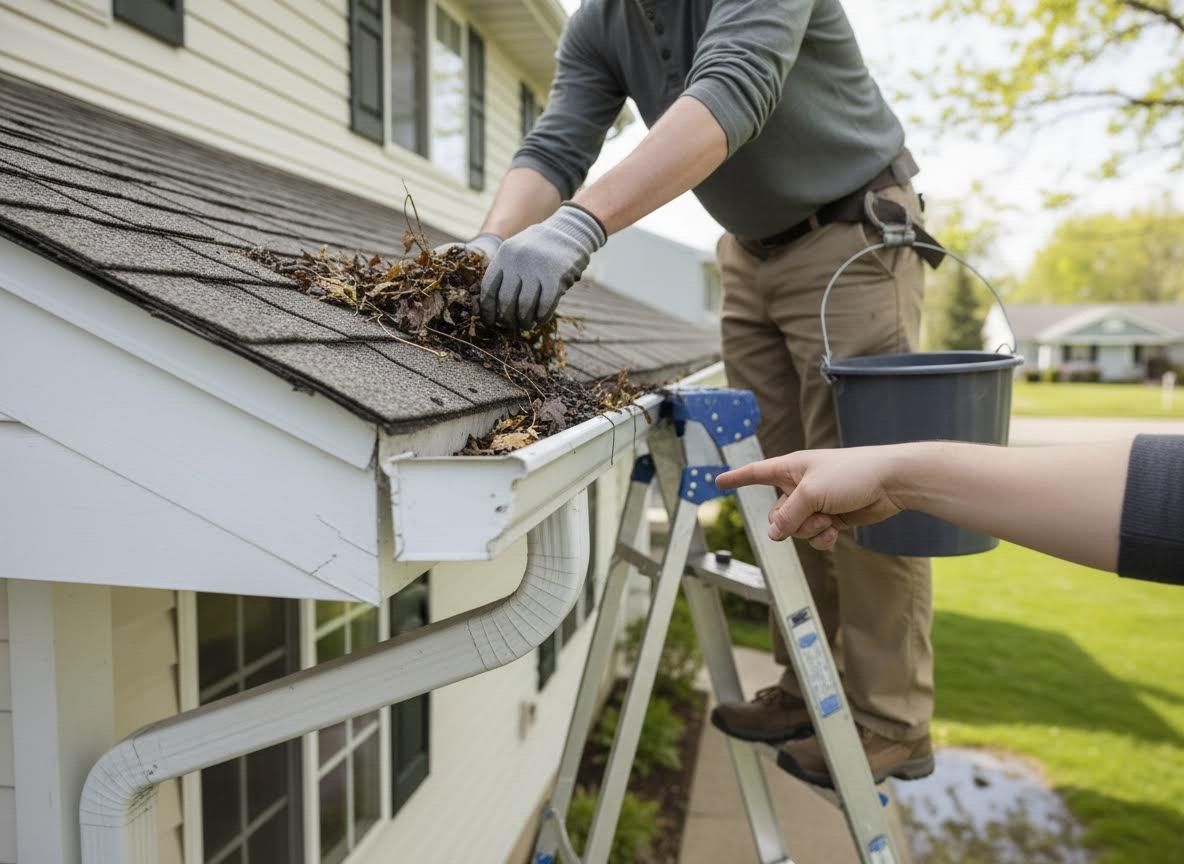
Checking Gutters and Downspouts
Clear and functional gutters and downspouts are essential for directing rainwater away from your home's foundation. Begin by clearing any debris such as leaves, twigs, and granules that may have accumulated over the winter. Blocked gutters can lead to water overflowing, saturating fascia boards, and potentially seeping into your walls or foundation, causing significant damage. Also, check for any signs of sagging, detachment from the fascia, or cracks in the gutters themselves. Ensure downspouts are securely attached and directing water at least several feet away from your home's foundation.
Assessing Flashing and Sealants
Flashing is the metal or composite material used to create watertight seals around roof penetrations, such as chimneys, vents, skylights, and along wall junctions. These are critical areas prone to leaks if compromised. Inspect the flashing for any signs of rust, bending, or lifting, which could indicate a break in the waterproof barrier. Similarly, examine any caulk or sealants around these areas for cracking, drying, or peeling. Over time, sealants can deteriorate due to sun exposure and temperature shifts, requiring reapplication to maintain a secure seal.
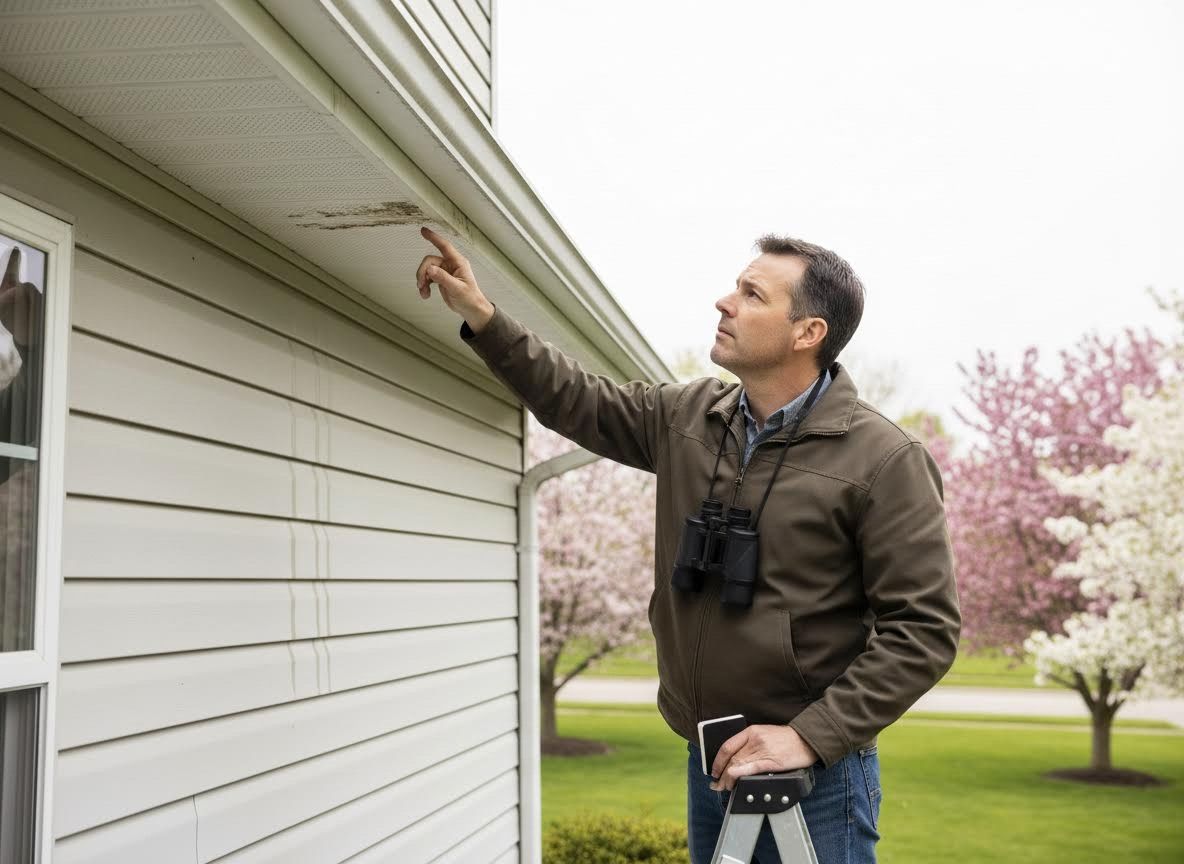
Examining Soffit, Fascia, and Exterior Walls
While primarily focused on the roof, it’s also important to cast an eye on adjacent exterior components from the ground. Look for any discoloration or staining on your soffits and fascia boards, which could be indicators of water overflow from clogged gutters or leaks from the roof edge. Also, inspect your exterior walls, especially directly below the roofline, for any signs of water streaks, peeling paint, or even damage to elements like vinyl siding or plastic siding. These can often be secondary indicators of a roofing problem, signaling that water is not being properly shed or is leaking from above.
Preparing for a Durable Season Ahead
By diligently performing these spring roof inspection steps, homeowners can effectively identify and address minor issues before they escalate into costly repairs, ensuring your roof is ready to protect your home through the upcoming seasons. Proactive care not only extends your roof's lifespan but also safeguards your entire home against the elements. For expert assistance with comprehensive roof inspections, repairs, or other high-quality exterior and interior home improvements, consider consulting with Dunrite Construction, a trusted partner dedicated to ensuring your home's continued excellence. We also specialize in enhancements like deck installation and deck repair, further ensuring your home's exterior is as robust as it is inviting. Learning more about maintaining your home's exterior can provide peace of mind for years to come.